
 EN
EN
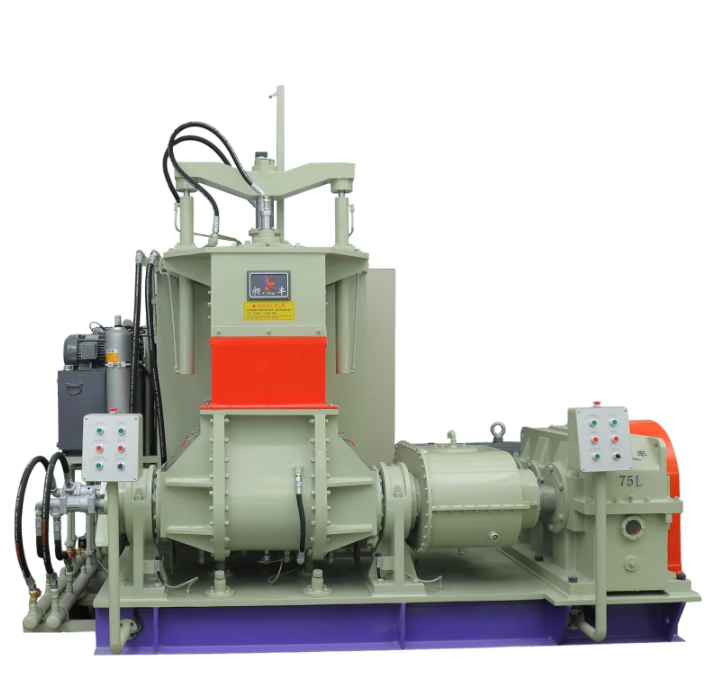
When we talk about rubber and plastic compounding, the equipment at the heart of the operation is often the internal mixer. Among these, the Banbury mixer stands out as a true workhorse. The goal of using this machine is always to achieve perfect material plasticization. Getting that right mixture is crucial for product quality, and that is where a well designed machine makes all the difference.
Understanding the Core Design of a Banbury Mixer
So, how does this equipment actually work? The machine uses a pair of powerful rotors inside a sealed mixing chamber. These rotors turn at slightly different speeds, which creates an intense kneading action on the material. This design is not random; it is engineered to pull the rubber or plastic compound into the gap between the rotors and the chamber wall. That high shear zone is where the real mixing magic happens. It breaks down the raw material, distributes the fillers and additives evenly, and generates the heat needed to soften everything up for the next steps.
How Optimal Plasticization Happens in the Chamber
Material plasticization is the process of transforming solid raw polymers into a soft, workable mass. Inside a high quality Banbury mixer, this happens through a combination of shear and friction. As the rotors rotate, the material is squeezed, stretched, and folded back into the mixing zone repeatedly. This continuous cycle ensures that every single particle gets the same treatment. Without this level of consistency, you end up with unmixed spots or scorched material, which are common headaches in production. A proper Banbury mixer eliminates those issues by maintaining a perfect balance of pressure and temperature throughout the entire cycle.
The Role of Cooling and Temperature Control
One thing many operators worry about is overheating. If the compound gets too hot, it starts to cure or degrade right inside the chamber, which ruins the whole batch. Advanced models come with efficient cooling systems built into the chamber walls and the rotors themselves. This temperature regulation is key to successful material plasticization. It allows the machine to run longer cycles without burning the material. For heat sensitive compounds, this precise control is what separates a good mix from a scrap pile. It is like having a thermostat that keeps everything flowing smoothly without letting things get out of hand.
Working with Different Material Formulations
Not all rubber or plastic compounds behave the same way. A hard rubber formula for a tire tread needs a different mixing approach compared to a soft plastic for an electrical cable. A versatile Banbury mixer can handle these changes. The operator can adjust parameters like rotor speed, ram pressure, and cooling water flow to fit the specific recipe. This flexibility makes the equipment useful across many industries, from automotive parts to shoe soles and industrial seals. The key is finding the right settings that encourage optimal material plasticization without overworking the batch.
Why This Equipment Improves Production Efficiency
Using the right machine does more than just make good product; it speeds up the whole line. When a Banbury mixer is set up correctly, the mixing time per batch drops significantly. You spend less time waiting for the material to break down and blend. That means more batches per shift and lower energy costs. Also, consistent plasticization leads to fewer rejected batches. Less waste and less rework directly boost the bottom line. For any factory looking to increase output without sacrificing quality, upgrading the mixing technology is a smart first step.