
 EN
EN
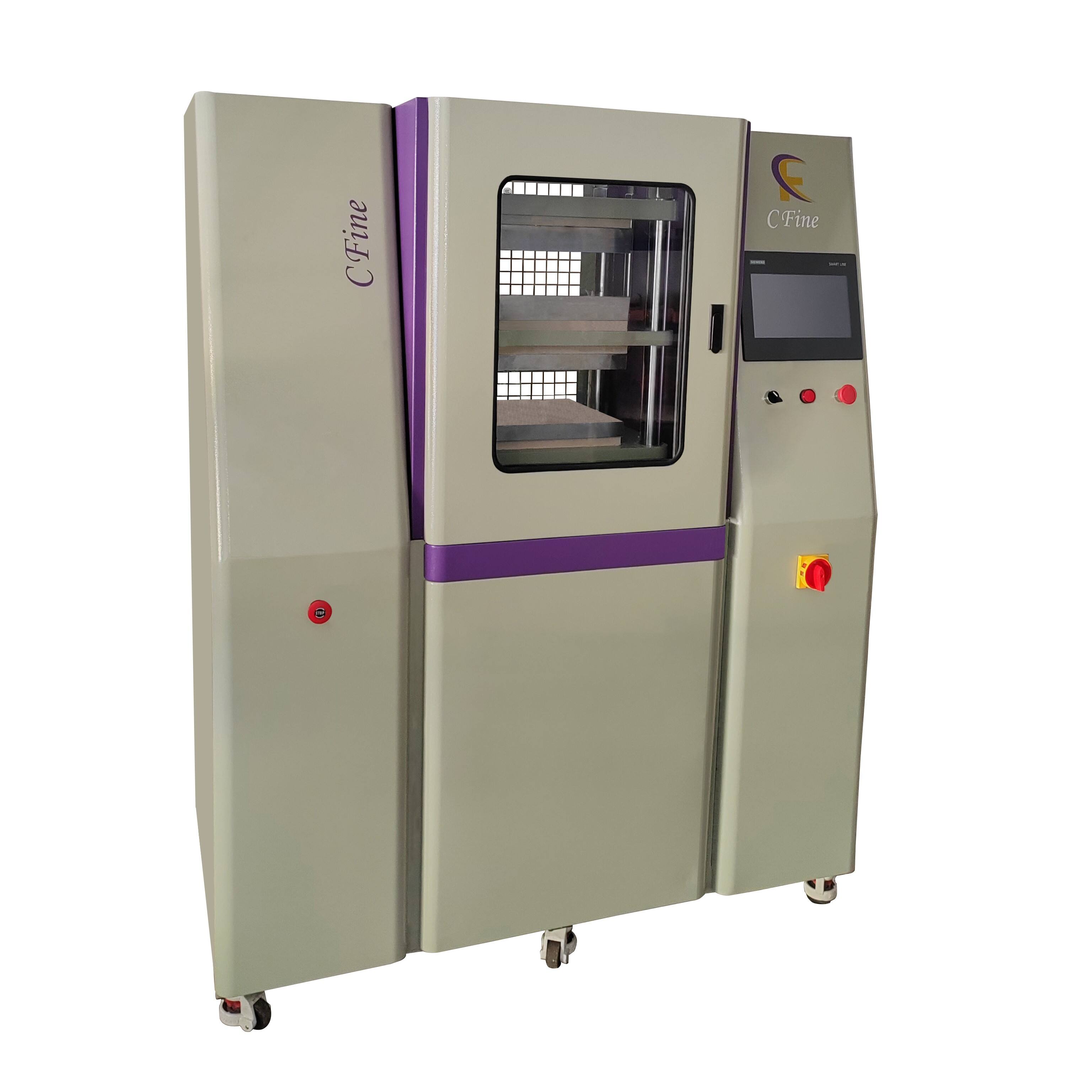
Essential Safety Features Built into Modern Vulcanizing Machines
Interlocked and Adjustable Guards for Access Prevention
Interlock guards create physical separation between dangerous pinch points and high-pressure areas on vulcanizing machines. When someone gets too close or opens them up, the whole machine stops right away. These safety barriers meet ISO 13849 standards and can be adjusted to fit different machine setups. Workers don't get their limbs caught during pressing cycles because the guards block access, yet still let materials pass through safely for processing. According to a recent 2023 report on machinery safety, factories that installed these types of guards saw a massive drop in crush injuries – around 73% fewer incidents compared to places without proper guarding. This kind of protection is especially important in rubber manufacturing plants where operators handle hot molds and heavy presses all day long.
- Perimeter fencing around the closing molds
- Retractable shields for conveyor feed points
- Tooling access doors with positional sensors
Emergency Stop Systems and Integrated Machine Interlocks
Modern vulcanizing presses incorporate emergency stop (E-stop) systems with <25 ms response times, immediately cutting hydraulic and thermal energy upon activation. These integrate with machine interlocks that prevent restart until safety conditions are verified—addressing the majority of residual motion hazards noted in NIOSH engineering guidelines. Key designs include:
- Palm-actuated E-stops at operator stations
- Pull-cords along conveyor lines
- Self-monitored circuits that detect wire failures
Photo-Electric Sensors and Safety Trip Controls for Instant Hazard Response
Non-contact photo-electric sensors create invisible safety perimeters around vulcanizer danger zones, triggering shutdown when breached. When combined with low-force trip bars (<5 lbs activation), they overcome limitations of physical guards in fast-cycle environments. This integrated approach reduces reaction-dependent injuries by 67% while maintaining 98% operational uptime—outperforming traditional mechanical solutions.
Hazard Identification and Engineering Mitigation in Vulcanizing Machines
Pinch Points, Entanglement, and Crushing Risks in Press-Type Vulcanizers
The press type vulcanizing machine presents serious mechanical dangers throughout the mold closing process. Workers face real risks of getting crushed if they reach into areas where the platens come together, or get caught near those spinning rollers on conveyor fed systems. To tackle these problems, engineers have developed various safety measures that physically keep limbs away from dangerous zones while the machine is running. Some systems use light curtains which stop everything dead in its tracks whenever someone breaks the beam. Others rely on solid metal guards permanently installed around moving parts. These kinds of protective designs follow guidelines set out in ISO 12100 standards for machinery safety. Industry research shows such improvements cut down workplace accidents related to these machines by roughly 72 percent over time.
Thermal, Mechanical, and Electrical Hazard Mitigation via Design-Level Controls
Today's vulcanizing machines come equipped with multiple layers of safety features to handle all sorts of hazards. The heated platens have built-in temperature cutoffs and are wrapped in insulation so nobody gets burned by those super hot surfaces above 300 degrees Fahrenheit. For the hydraulic parts, there are pressure relief valves that stop things from blowing apart when something goes wrong. And don't worry about sudden movements either since these machines use servo controls that keep everything predictable. Electrical components sit inside sealed boxes with special grounding protection to keep workers safe from shocks. All these design choices put safety first right into the machine itself, rather than relying on people following procedures perfectly every time. This approach means fewer accidents and less downtime for maintenance crews across manufacturing plants nationwide.
Operator-Centric Safety Protocols for Vulcanizing Machine Use
Pre-Operational Checks, Lockout/Tagout Procedures, and PPE Requirements
Safety for operators starts with checking things out properly before turning anything on. Every day, someone needs to look at those hydraulic lines, check the electrical connections, and make sure all the mechanical parts are in good shape. Keep track of how much fluid is in there and what condition the structure is in, so nothing breaks down when least expected. When doing maintenance work, the lockout tagout procedure has to be followed without fail. Shut off all power sources completely and put actual locks on them, along with warning tags, before anyone gets near the inside parts. This stops machines from suddenly starting up again, which could lead to serious injuries like being crushed or getting shocked. Last but definitely not least comes personal protective gear. Without question, everyone working around these machines should have their PPE ready to go at all times, including helmets, gloves, eye protection, and whatever else makes sense for the job they're doing that day.
- Heat-resistant gloves rated above 350°F for thermal protection
- ANSI-approved goggles to shield against chemical splashes
- Steel-toed boots for impact protection near heavy platens. Regular training reinforces these protocols, reducing workplace accidents by 62% (OSHA 2023). Consistency in execution ensures hazards remain controlled during tire curing cycles.
FAQ
What are interlock guards, and how do they enhance safety?
Interlock guards create physical separation between dangerous machine parts and prevent operation if they are improperly accessed. They significantly reduce crush injuries by blocking access to hazardous areas.
How quickly do emergency stop systems respond in modern vulcanizing machines?
Emergency stop systems in modern vulcanizing machines have a response time of less than 25 ms, immediately cutting hydraulic and thermal energy upon activation.
What role do photo-electric sensors play in ensuring safety?
Photo-electric sensors create invisible safety perimeters around danger zones, triggering shutdown when the perimeter is breached, providing instant hazard response.
Why is the lockout/tagout procedure crucial for vulcanizing machine operators?
The lockout/tagout procedure is crucial for preventing accidental machine start-up during maintenance, significantly reducing risks of injuries related to mechanical and electrical hazards.
What personal protective equipment is recommended for operators?
Operators should wear heat-resistant gloves, ANSI-approved goggles, and steel-toed boots to protect against thermal, chemical, and impact hazards, respectively.