 EN
EN
Defining the Internal Mixer: Core Function and Technical Role
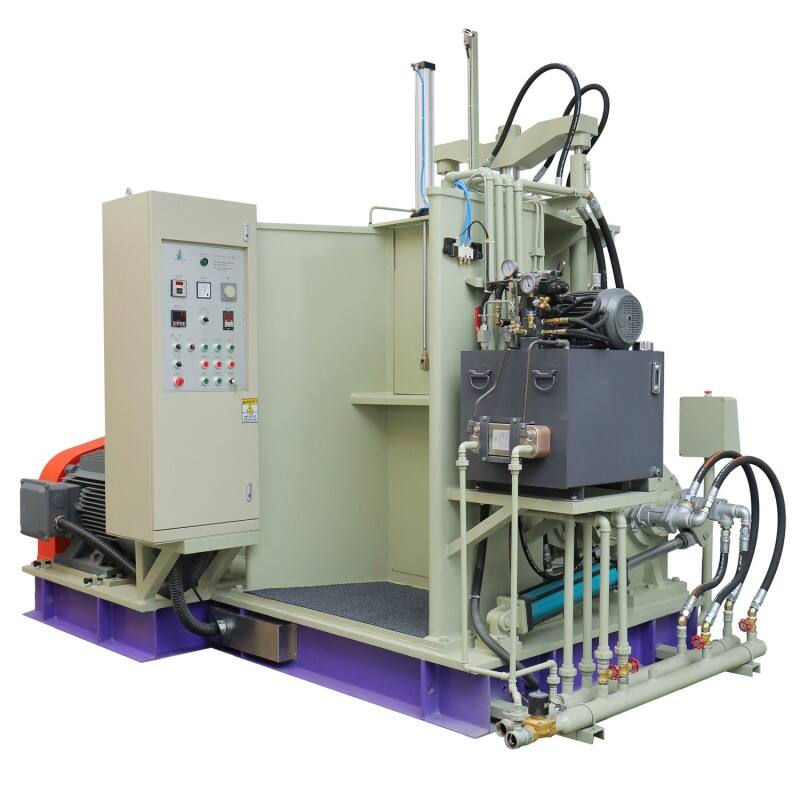
Internal mixers work as closed chamber systems designed to blend materials using intense mechanical shear forces. These differ from open mills because they have a sealed setup with two rotors spinning in opposite directions inside chambers where temperature can be controlled. This helps manufacturers get better control over how viscous the mixture becomes and how evenly ingredients spread throughout. According to recent studies published in Polymer Processing Journal back in 2023, these machines typically complete cycles about 30 percent quicker compared to traditional open systems, plus they cut down on wasted materials by roughly 18%. When it comes to how things actually work technically speaking, there are basically three main steps involved. First comes loading all the ingredients under pressure from above, then follows the actual mixing process where those powerful rotors do their job of breaking everything apart and blending it thoroughly, and finally comes the release stage when the finished product gets pushed out ready for further processing.
Key operational advantages include superior dispersion uniformity for consistent batch quality, automated environmental controls that prevent oxidation, and reduced operator exposure to raw materials. By containing the entire process within its mechanical structure, the system ensures repeatable industrial-scale output—critical for applications demanding exact material specifications.
How Internal Mixers Differ from External and Digital Mixers
Internal mixers get built right into the main equipment such as amplifiers or digital signal processors, so there's no need for extra boxes lying around. This setup saves space on racks and makes installation easier, though it means fewer actual buttons and knobs to play with. On the flip side, external mixers come as their own separate pieces of gear. They have those nice big sliders and that let people tweak things instantly during performances, which is why many live sound techs still prefer them. Digital mixers work by turning audio into computer data, which opens up possibilities like saving whole mixes as scenes or having effects built right in something most old school analog boards just can’t do. Sure, digital stuff gives way better routing options and handles higher quality signals at 96kHz and above, but navigating through all those menus takes time to learn, making some operators scratch their heads when trying to figure out where everything actually is.
Internal designs excel in fixed installations where space optimization is critical; external and digital units prioritize adaptability for dynamic environments.
Key Technical Distinctions
- Signal Path: Internal mixers share power and processing with host devices; external/digital units maintain independent signal chains.
- Scalability: External mixers support modular I/O expansion; internal versions rely on host system limitations.
- Failure Resilience: Isolated external mixers prevent full-system downtime if one component fails.
A 2023 pro audio survey noted 78% of integrators prioritize internal mixers for permanent installations due to space savings, while 67% opt for external/digital mixers for touring rigs needing rapid reconfiguration.
Key Applications of Internal Mixers in Professional Audio Systems
Internal mixers serve as the operational backbone in three critical professional environments. Their integrated design eliminates external hardware dependencies while maintaining signal integrity across diverse workflows.
Live Sound Reinforcement Integration
When setting up for live shows or on tour, having mixers built right into amps or active speakers makes a huge difference in keeping the stage area tidy. These integrated systems let sound techs handle all the local signal work needed for monitors and those big delay towers. No need to drag around extra boxes for EQ adjustments or dynamic control in different zones. The whole package cuts down on setup time significantly too. Most road crews report saving anywhere from half an hour to almost an hour during load-ins when compared to old school analog rack setups. That kind of efficiency is gold when dealing with tight schedules between gigs.
Broadcast and Streaming Workflow Efficiency
In broadcast setups, internal mixers inside audio interfaces blend multiple sources on the fly during live shows. These mixing systems take care of microphones, IFB lines, and program audio all at once through those fancy software matrices we hear so much about these days. What makes this setup work so well is that one person can manage everything from a central console. The whole system is built to cut down on delay times to almost nothing - sometimes as low as 2 milliseconds. That matters a lot when trying to match sound with what's happening on camera in outside broadcast trucks or when sending streams online. Even a tiny lag can throw off timing completely in professional settings.
Fixed-Installation AV Environments (e.g., Houses of Worship, Corporate Venues)
Internal mixers within DSP processors really shine when installed permanently across multiple zones. Take corporate auditoriums for instance these days, the system can automatically switch back and forth between presentation settings and video conferencing sessions, all while adjusting acoustics specifically for each room's unique characteristics. Churches and other worship centers find great value in scene recall features too. They help maintain clear sermons and vocals while creating just the right musical atmosphere. Plus, with remote monitoring capabilities now available, many mid sized venues have seen their need for on site technical staff drop around 40%. That kind of efficiency makes a big difference in day to day operations.
Selecting the Right Internal Mixer: Critical B2B Evaluation Criteria
For B2B audio equipment buyers, selecting an internal mixer demands strategic evaluation beyond initial cost. Technical specifications must align with operational longevity and workflow efficiency. Consider these core criteria:
Channel Count, I/O Flexibility, and Signal Routing Capabilities
Assess current and future channel requirements—insufficient I/O forces costly upgrades. Prioritize modular designs allowing Dante/AES67 expansion. Verify matrix routing granularity; complex installations need per-channel DSP assignment. Scalability prevents bottlenecks in growing venues.
Compatibility with Existing DSP, Amplification, and Control Ecosystems
Integration failures cause systemic downtime. Confirm protocol support (e.g., OCA, AES70) for your DSP platform. Test control surface interoperability—third-party controllers should manage fader groups and presets. Amplifier impedance matching is critical; mismatches degrade headroom by 3–6 dB.
Reliability, Serviceability, and OEM Support for Integrators
Mean Time Between Failures (MTBF) below 50,000 hours risks live event failures. Seek hot-swappable power supplies and field-replaceable I/O cards. Verify OEM technical support SLAs: 4-hour response for critical installations. Proactive maintenance access reduces repair costs by 34% (Pro AV Magazine 2023).
Prioritize lifecycle value: durable components and certified service networks minimize operational disruption in mission-critical environments.
FAQ
What are internal mixers used for?
Internal mixers are used to blend materials in closed chamber systems using mechanical shear forces. They are commonly employed in environments where space optimization is critical, such as live sound reinforcement, broadcast setups, and fixed-installation AV environments.
How do internal mixers differ from external and digital mixers?
Internal mixers are integrated into the main equipment, saving space and simplifying installation. External mixers are separate units with more physical controls, suitable for live performance adjustments. Digital mixers convert audio into data, offering advanced routing and effect options but require more learning time.
What should you consider when selecting an internal mixer?
When selecting an internal mixer, consider channel count, I/O flexibility, compatibility with DSP and control ecosystems, reliability, serviceability, and OEM support. Scalability and integration with existing systems are critical for efficient operation.