
 EN
EN
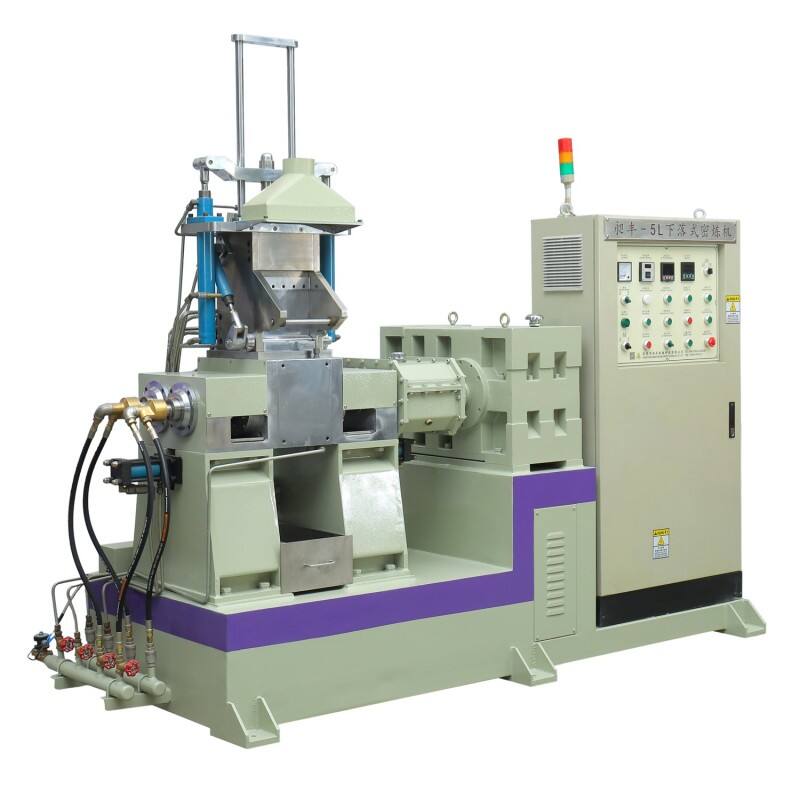
Why Compact Internal Mixer Design Is Critical for Modern Factory Space Optimization
Factories are constantly under pressure to get the most out of their available space since property expenses keep eating into what they spend on running operations. Standard mixers inside plants typically need special areas over 40 square meters, which makes factory floor plans pretty inflexible and gets in the way of smooth production flow. The newer compact versions solve this problem by stacking components vertically and using building blocks that can be rearranged as needed. These smaller setups cut down on floor space requirements almost in half without sacrificing how much product gets made. And there are some real benefits from all this extra room to maneuver:
- Reclaimed square meters enable additional production lines or automated material handling systems
- Shorter polymer transfer distances between mixing and downstream processes cut energy consumption by 12–18%
- Flexible layouts accommodate rapid product changeovers without facility modifications
Factories located in city areas where every square foot counts get real value out of these setup options. According to research from the Material Handling Institute last year, around two thirds of manufacturing companies put optimizing floor space at the very top of their operational wish list, beating out worries about energy bills. Compact internal mixers make a big difference because they don't need those wide aisles for maintenance access and can actually fit right next to equipment like extruders or calendars. What this means is that tight spaces become assets rather than liabilities. The end result? Production lines that adapt quickly to changes, save money upfront on facility costs, and generate returns faster since they produce more goods within the same physical footprint.
Top Compact Internal Mixer Configurations and Their Floor Space Impact
Vertical Twin-Screw vs. Horizontal Single-Rotor Internal Mixer Layouts
The vertical twin screw internal mixer cuts down on factory floor space needs by about 30 to 40 percent when compared against old school horizontal units. With their compact stacked arrangement, these machines make good use of ceiling height instead of taking up valuable ground real estate that could be better used for other manufacturing steps further along the production line. Traditional single rotor horizontal mixers need much more room around them so technicians can actually get at components during routine maintenance checks. Horizontal setups still have their place though, especially when dealing with really thick materials that need extra mixing power. But for shops where every square foot counts and they're working with regular rubber compounds most of the time, vertical systems are clearly superior. Factory reports indicate that changing between different materials happens roughly 15 percent quicker with vertical mixers because everything important is right there within easy reach for operators.
Modular Mounting and Inline Integration Options Eliminating Dedicated Mixer Bays
Modular internal mixers integrate directly with extruders or calendars, eliminating separate mixing bays. This inline configuration reduces material handling distances by 60% and reclaims 25 m² typically allocated for transfer equipment. Key integration features include:
- Standardized flange connections enabling direct discharge into downstream systems
- Retractable bases allowing maintenance without disassembly
- Shared utilities (power, cooling) cutting infrastructure duplication
Plants adopting modular designs report 22% higher throughput per square meter by minimizing intermediate storage and manual transfers.
Maximizing Throughput per Square Meter: Sizing and Operational Best Practices for Internal Mixers
Getting the most out of compact mixing operations really comes down to two main things: getting the right size equipment and sticking to good batch procedures. When machines are too small for what needs to be done, they just become roadblocks in production. On the flip side, buying way bigger mixers than needed takes up valuable factory space without actually making much difference in output. According to some industry reports, when companies get their mixer sizes right, they see around a 40% boost in how much product they can pack into each square meter of floor space, which is pretty significant compared to setups where everything doesn't match up properly.
Optimal Fill Ratio (65–75%) and Its Direct Effect on Space-Efficient Batch Yield
Keeping material levels around 65 to 75 percent of what the mixing chamber can hold is where things work best for most internal mixers. When operators go below that mark, they end up running more batches just to hit production goals. This actually drives up energy expenses somewhere between 15 and maybe 25 percent extra per ton produced, plus takes up more factory floor space than needed. On the flip side, if the chamber gets too full past about 75%, the mixing action creates heat spikes that start breaking down the material quality. The result? Longer cooling times that slow everything down and create bottlenecks in production flow. Staying within this sweet spot lets manufacturers process maximum amounts each cycle without those pesky viscosity issues that mess with batch consistency. And practically speaking, companies see roughly 18 to 22 percent better yields from their equipment without needing any additional factory space.
| Fill Ratio | Throughput Impact | Space Efficiency Penalty |
|---|---|---|
| <65% | 12–18% yield loss | Requires 30% more batches |
| 65–75% | Peak efficiency | Optimal space utilization |
| >75% | 20% cycle slowdown | Cooling zone expansion needed |
Fine-tuning within this band accommodates material-specific behaviors—higher ratios suit low-viscosity compounds, while elastomers perform best near 70% to prevent scorching. This precision turns compact internal mixers into volumetric multipliers, eliminating the need for auxiliary equipment bays through maximized single-unit productivity.
Selecting the Right Compact Internal Mixer: Key Evaluation Criteria for Layout-Driven Procurement
Getting the most out of factory floor space means looking at internal mixers through more than just their specs sheet. Focus on how much output they can deliver versus how much room they take up. Look for machines that hit around 85% batch yield but only need about 40% of what traditional models require in terms of floor real estate. Check if the equipment can integrate into existing systems, like mounting directly next to extruders instead of needing separate conveyor belts. This kind of setup can free up between 15 and 20 percent of valuable factory space. Energy consumption matters too. Machines designed with high torque at lower RPMs tend to generate less heat, cutting down on cooling requirements by roughly 30% and reducing overall utility demands. Future proofing is important as well. Equipment with interchangeable parts or adjustable mixing chambers adapts better when formulas change, avoiding expensive rearrangements later on. A recent study from the Rubber Processing Journal found that plants following this approach saved approximately $740,000 each year on mixer related costs without sacrificing production volume. Before finalizing any purchase, it's wise to compare manufacturer promises against actual blueprints and run some virtual simulations of different layout options to avoid unpleasant surprises during installation.
Frequently Asked Questions (FAQ)
Why is compact internal mixer design essential for factory space optimization?
Compact internal mixer designs use vertical stacking and modular components to significantly reduce floor space requirements, thereby facilitating more adaptable factory layouts and improving production flow without diminishing output.
How do vertical twin-screw mixers compare to horizontal single-rotor layouts in terms of space efficiency?
Vertical twin-screw mixers reduce space needs by 30-40% as they utilize ceiling height, while horizontal single-rotor mixers demand more room for access, beneficial for thicker materials.
What are the benefits of modular internal mixers?
Modular mixers offer direct integration with other machinery, minimizing the need for dedicated mixing bays and enhancing throughput by reducing handling distances and reclaiming valuable floor space.
What is the optimal fill ratio for internal mixers?
An optimal fill ratio of 65-75% ensures peak efficiency, balancing production goals and energy use without quality loss, while preventing overheating and bottlenecks.
What considerations should be made when selecting a compact internal mixer?
Consider batch yield versus space requirements, integration with existing systems, energy consumption, and adaptability to future changes to ensure optimal layout-driven procurement.
Table of Contents
- Why Compact Internal Mixer Design Is Critical for Modern Factory Space Optimization
- Top Compact Internal Mixer Configurations and Their Floor Space Impact
- Maximizing Throughput per Square Meter: Sizing and Operational Best Practices for Internal Mixers
- Selecting the Right Compact Internal Mixer: Key Evaluation Criteria for Layout-Driven Procurement
-
Frequently Asked Questions (FAQ)
- Why is compact internal mixer design essential for factory space optimization?
- How do vertical twin-screw mixers compare to horizontal single-rotor layouts in terms of space efficiency?
- What are the benefits of modular internal mixers?
- What is the optimal fill ratio for internal mixers?
- What considerations should be made when selecting a compact internal mixer?