
 EN
EN
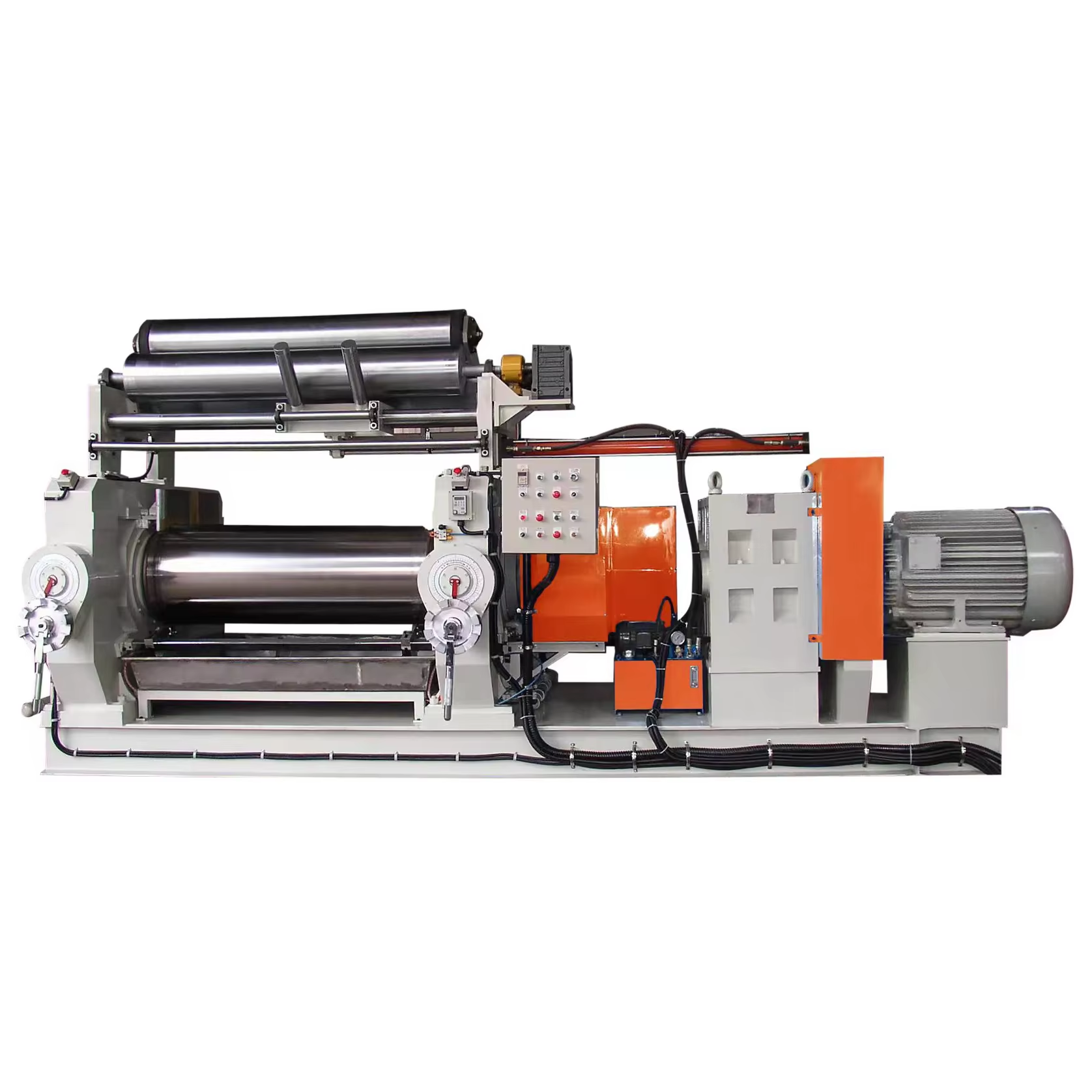
Precision Grinding for Consistent Particle Size and Quality Control
The Importance of Uniform Particle Size in Material Processing
Getting consistent particle sizes matters a lot when working with materials, because it affects how well things mix together, how fast they dissolve, and ultimately what kind of finished product comes out. When running roller mills, operators aim for variation levels under 20%, which beats the typical range of around 25 to 40% seen in other equipment. This consistency makes all the difference when compacting powders, extruding shapes, or just plain blending ingredients. The math gets pretty serious too; if particles stray more than about 15% from their ideal size, manufacturers might see drops in output as much as 18%. That's no small number for industries where precision counts, especially places like drug manufacturing and ceramic production where even tiny inconsistencies can spell trouble down the line.
How Precision Grinding Enhances Granulometry Accuracy in Roller Mills
Modern roller mills utilize compressive force rather than impact, enabling deterministic control over particle dimensions. A 2023 materials processing review found that maintaining ±0.3mm tolerances in grinding components reduces size variation by 37% compared to manual systems. This precision delivers:
- Narrower particle size distributions (90% within ±5% of target)
- Reduced fines generation
- Consistent bulk density (±2% variance)
These outcomes support tighter process control and higher product uniformity across sensitive applications.
Adjustable Roller Gap Technology for Repeatable, High-Quality Output
Advanced roller gap adjustment mechanisms allow operators to set precise clearances (0.1–5mm) with 0.02mm repeatability. This mechanical precision ensures batch-to-batch consistency, a necessity in ISO 9001-certified environments. Field trials confirm gap stability within 0.5% despite thermal fluctuations, sustaining granulometric accuracy over 8,000 operating hours.
Real-Time Monitoring and Automated Control for Optimal Grind Consistency
Integrated sensor arrays monitor seven key parameters—including roll temperature, vibration spectra, and motor torque—and feed data to adaptive control algorithms. These systems automatically compensate for:
- Material hardness variations (up to 25% on the Mohs scale)
- Feed rate deviations (±15% from setpoints)
- Wear-induced geometry changes (detected at 0.001mm resolution)
Automation reduces human-induced variability by 62%, achieving Six Sigma-level process capability (CpK ≥1.67) in mineral and food-grade processing.
Low Maintenance Design: Durability and Long-Term Cost Efficiency in Roller Mills
Engineered Components for Reduced Wear and Extended Service Life
Precision-machined components such as alloy-reinforced roll shafts and self-aligning bearings minimize mechanical stress and extend service intervals to 2,000–5,000 hours between replacements—up to ten times longer than traditional hammer mills (Feed Production Analysis, 2023). Key innovations include:
- Forged steel roll housings with 25% thicker walls for high-torque resilience
- Hydrodynamic lubrication systems that reduce bearing wear by 63% (Industrial Tribology Report, 2024)
- Modular designs allowing rapid refurbishment of worn surfaces
This engineering significantly lowers maintenance frequency and downtime.
Use of Hardened Steel and Abrasion-Resistant Rolls in Modern Roller Mills
Case hardened rolls with surface hardness between HRC 58 and 62 keep their shape and dimensions for roughly 40 percent longer compared to regular versions. When manufacturers add dual phase steel alloys mixed with chromium plus tungsten carbide coatings, something interesting happens during production runs involving tough stuff like quartz or industrial clinker. The grooves stay intact about 81% better according to research published last year in Metallurgical Engineering Journal. Field trials conducted across multiple facilities indicate these upgraded rolls can run for well over 15 thousand hours without needing resurfacing work. That's actually triple what was possible with equipment from the early 2010s, though actual performance may vary depending on specific operating conditions and maintenance practices.
Balancing Initial Investment with Long-Term Maintenance Savings
Premium roller mills do come with a price tag that's about 15 to 30 percent higher than standard models initially. But when looking at what it actually costs over five years, companies tend to spend 30 to 50 percent less overall because there's much less downtime and fewer parts need replacing. According to Processing Equipment Economics report from last year, this makes sense for most manufacturers. The automated systems that compensate for wear cut down on manual work requirements by around three quarters. Plus, having standardized components means businesses can keep their spare parts inventory down significantly, maybe even cutting those costs by two thirds. When talking about operations that process more than ten tons per hour though, the money invested usually starts paying back after about two and a half years. And this gets even better when considering how much energy gets saved through more efficient grinding processes.
Dynamic Process Control Through Real-Time Roller Gap and Shear Force Adjustment
Real-Time Roller Gap Adjustment for On-the-Fly Particle Size Optimization
The ability to adjust gaps at the micrometer level allows modern roller mills to hit about ±2 percent consistency in particle size, which makes all the difference when dealing with materials sensitive to temperature changes, such as various pharmaceutical ingredients. Recent research from the Powder Technology Journal back in 2024 found that when mills use automated systems for gap control instead of relying on manual adjustments, they end up needing to reprocess materials roughly 30 percent less often. What this means for plant operators is that they can keep those tight tolerance ranges between 50 and 200 micrometers while the machinery keeps running nonstop, no need to shut down for adjustments. This not only improves product quality but also keeps production lines humming along longer without interruptions.
Managing High-Viscosity Materials with Adaptive Shear Force Control
When processing viscous materials such as silicone polymers or bitumen blends, advanced roller mills automatically increase shear forces by 15–40%. This prevents material bridging and sustains optimal flow rates. Industry data indicates a 25% reduction in energy consumption when handling adhesives (15,000–50,000 cP) versus fixed-shear systems (Journal of Advanced Processing, 2023).
Integration of Automation Systems to Boost Operational Responsiveness
PLC-controlled mills execute parameter adjustments in under 0.8 seconds using integrated sensors that monitor real-time temperature, instantaneous torque, and material flow characteristics. A 2024 ceramic production case study demonstrated an 18% throughput increase by combining gap adjustment with predictive viscosity modeling—all while maintaining 99.2% compliance with particle size specifications.
Multi-Pass Grinding Technology for Enhanced Output Quality and Efficiency
Modern roller mills use multi-pass grinding to align output quality with operational efficiency. By passing material through sequenced stages, each refining particle size progressively, this method reduces energy use by 30% compared to single-pass systems (Material Processing Journal, 2023), while maintaining dimensional accuracy within ±1.5% across batches.
Progressive Grinding Stages and Their Role in Achieving Final Product Specifications
Initial stages break down bulk materials, intermediate passes refine particle distribution, and final stages deliver micron-level precision required for pharmaceutical powders or food-grade additives. Adjustable roller gaps between stages allow exact tolerance control, even with abrasive or heat-sensitive inputs, ensuring consistent end-product quality.
Maximizing Throughput and Yield via Controlled Multi-Pass Processing
When manufacturers optimize their multi-pass cycles, they typically see a 15 to 20 percent increase in throughput compared to older methods. Adjusting roller pressure settings and fine tuning how long materials stay at each processing stage allows mills to produce more while still maintaining product standards something that matters a lot when making things like industrial paints, protective coatings, and those specialized chemical products. According to a study published in Advanced Manufacturing Review last year, this approach cuts down on wasted materials by around 22%, which means significant savings when looking at costs per ton of material going through the system.
Smart Operation and Predictive Maintenance in Modern Roller Mill Systems
Data-Driven Control Systems for Peak Operational Efficiency
Advanced control systems analyze real-time inputs from more than 15 sensor types—including motor load, feed rate, and roll temperature—to dynamically optimize grinding settings. A 2023 industry study found such systems increased throughput by 18% and cut energy use by 22% compared to manually operated mills, all while preserving product consistency.
Real-Time Monitoring and Analytics for Predictive Maintenance Planning
Continuous monitoring of vibration patterns, bearing temperatures, and lubrication quality enables early detection of wear. Thermal imaging identifies roller shaft misalignment with 94% accuracy, permitting corrections during planned maintenance windows. This proactive approach reduces unplanned stoppages by up to 50%, according to aggregated logs from 120 facilities in 2024.
Energy-Efficient Processing of Challenging Materials Without Compromising Output
VFDs and smart motor controllers change how much power goes into the system depending on what kind of material is being processed and how wet or dry it is. For those sticky, thick materials that tend to gum things up, these advanced systems keep the rolls spinning at just the right pace but use about 30 percent less electricity compared to older fixed speed machines. The intelligent way these systems manage torque during start up actually cuts down wear and tear on parts over time. This means longer lasting equipment for manufacturers who need to meet those strict ISO 50001 requirements for managing energy consumption across their operations.
FAQ Section
What is the importance of consistent particle size in material processing?
Consistent particle size is crucial for optimal mixing, dissolution rates, and achieving high-quality end products, especially in industries like pharmaceuticals and ceramics where precision is vital.
How does precision grinding enhance granulometry accuracy in roller mills?
Precision grinding enables narrower particle size distributions, reduced fines generation, and consistent bulk density, supporting tighter process control and product uniformity.
What are the benefits of adjustable roller gap technology?
Adjustable roller gap technology ensures repeatable, high-quality output with precise clearances, maintaining granulometric accuracy and consistency in ISO 9001-certified environments.
How does real-time monitoring and automated control contribute to grind consistency?
Integrated sensors monitor key parameters, enabling adaptive control algorithms to automatically adjust for material variations and wear, reducing human-induced variability and achieving Six Sigma-level process capability.
What are the cost benefits of investing in premium roller mills?
Though initially more expensive, premium roller mills have lower long-term maintenance costs and energy savings, resulting in overall reduced expenses over a five-year period.
Table of Contents
- Precision Grinding for Consistent Particle Size and Quality Control
- Low Maintenance Design: Durability and Long-Term Cost Efficiency in Roller Mills
- Dynamic Process Control Through Real-Time Roller Gap and Shear Force Adjustment
- Multi-Pass Grinding Technology for Enhanced Output Quality and Efficiency
- Smart Operation and Predictive Maintenance in Modern Roller Mill Systems
-
FAQ Section
- What is the importance of consistent particle size in material processing?
- How does precision grinding enhance granulometry accuracy in roller mills?
- What are the benefits of adjustable roller gap technology?
- How does real-time monitoring and automated control contribute to grind consistency?
- What are the cost benefits of investing in premium roller mills?