
 EN
EN
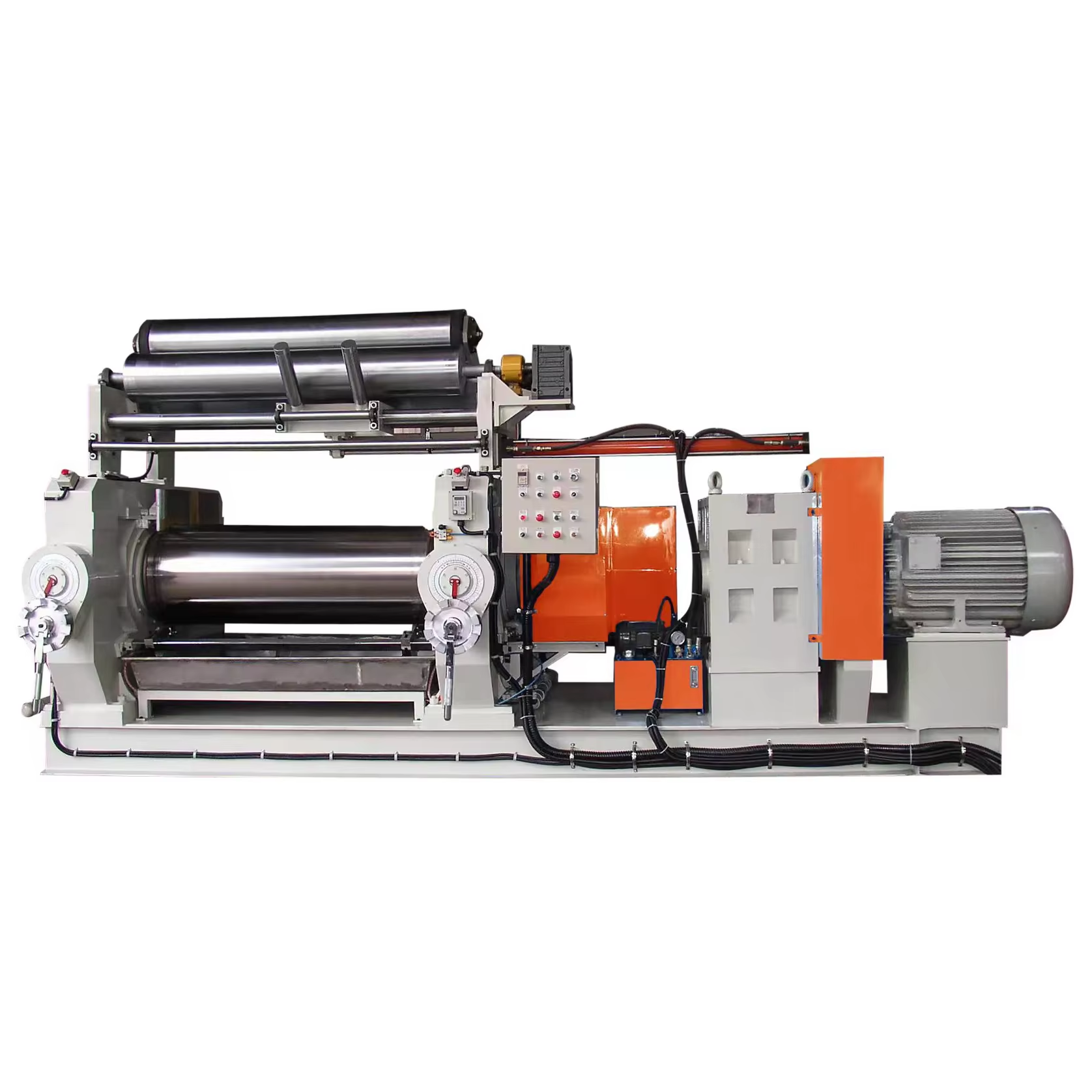
Advanced Materials and Structural Design for Extended Roller Mill Lifespan
Durable Materials and Precision Engineering in Roller Mill Construction
Roller mills today last much longer thanks to improvements in metal quality and better manufacturing practices. Steel alloys containing chromium and molybdenum show about 28 percent more resistance to wear and tear compared to regular carbon steel when running nonstop for long periods. Components made using computer controlled machining stay accurate to around plus or minus 0.002 inches. This kind of precision helps gears fit together properly and spreads out the workload evenly on those grinding surfaces, which means less breakdowns and longer equipment life overall.
Hardfacing and Surface Treatments for Superior Wear Resistance
Most top manufacturers these days are turning to tungsten carbide overlays along with laser-clad coatings for those areas that take the brunt of wear, like roller shells and shaft journals. According to some field tests we've seen, when using plasma transferred arc (PTA) hardfacing techniques, there's about a 30% drop in groove formation problems when dealing with really abrasive materials. For even better results, many companies now combine traditional nitriding processes with diamond-like carbon (DLC) coatings. This multi-step approach gives surfaces hardness ratings well over 62 HRC on the Rockwell scale, yet somehow manages to keep the underlying material from getting brittle or losing its strength properties.
High-Performance Steel Alloys and Composite Materials in Critical Components
| Material Type | Wear Resistance | Impact Tolerance | Service Life Increase vs. Standard Steel |
|---|---|---|---|
| Martensitic Stainless | 4.2x | Moderate | 25-30% |
| Tungsten Carbide Composites | 7.1x | Low | 50-60% |
| Bimetallic Forged Rolls | 3.8x | High | 35-40% |
Case Study: Achieving 40% Longer Roll Life with Advanced Composites
One mineral processing facility cut their yearly expenses on replacing rolls by about 180 grand once they made the switch to these special ceramic reinforced composite rollers. These new hybrid designs have this tough 55 HRC surface layer over a strong ductile iron core inside. When put to work grinding limestone, they actually held up for around 12 thousand operating hours before needing replacement—that’s roughly 40 percent more durable than those old fashioned forged steel rolls they used before. And as an added bonus, the time between scheduled maintenance checks stretched out from just 750 hours all the way to 1,100 hours. This meant less unexpected downtime and saved them nearly 20 cents on the dollar when it came to lost production during shutdowns.
Wear Protection and Component Durability Under High-Stress Conditions
Roller Mill Gearbox Resilience and Bearing Durability Under Load
Modern roller mills integrate forged steel gearboxes with tapered roller bearings engineered to withstand axial loads exceeding 12 tons (Industry Analysis 2023). Precision-ground bearing races paired with high-viscosity synthetic lubricants reduce metal-to-metal contact by up to 60% compared to conventional designs, significantly extending service intervals in cement and mining applications.
Sealing and Filtration Systems to Prevent Contamination-Related Wear
Triple-labyrinth seals with PTFE wipers effectively block abrasive particulates, while real-time oil filtration maintains lubricant cleanliness below ISO 17/14 standards. Mills equipped with cyclonic air filtration systems experience 45% fewer bearing replacements in gypsum processing due to reduced silica ingress, according to recent field data.
Monitoring Wear Patterns and Implementing Mitigation Strategies
Wireless vibration sensors and thermographic imaging enable early detection of gear pitting or bearing spalling. A 2023 case study found that mills using automated wear compensation algorithms achieved:
| Parameter | Improvement |
|---|---|
| Gear tooth wear rate | -32% |
| Unplanned downtime | -28% |
| Lubricant consumption | -19% |
Proactive replacement of wear plates before thickness drops below 3.5mm—verified via ultrasonic testing—prevents catastrophic failures in high-tonnage mineral operations.
Intelligent Automation and Real-Time Monitoring for Stable Roller Mill Operation
Precision Pressure Control for Uniform Material Processing
Closed-loop hydraulic systems with material hardness sensors deliver ±0.5% pressure consistency by dynamically adjusting roll gaps during operation. This compensates for feed variations in grains or minerals. In corn processing with 14–18% moisture content, dynamic adjustments maintain kernel fragmentation below 2%, reducing energy waste by up to 15% compared to manual calibration.
Bearing Temperature and Vibration Monitoring for Operational Stability
Integrated IoT sensors monitor radial vibrations under < 25 μm and bearing temperatures with ±1°C accuracy, establishing trend baselines. At a limestone facility, vibration monitoring cut unplanned bearing replacements by 60% by identifying early lubrication issues. Dual-spectrum thermal cameras now detect hot spots in inaccessible areas before mechanical stress escalates.
Automation Systems Minimizing Human Error and Ensuring Consistent Output
Roller mills powered by Industry 4.0 tech rely on AI pattern recognition to keep production steady no matter who’s running them. Some tests back this up too. In wheat processing last year, machines maintained bran separation rates consistently above 98.4% throughout every shift. That beats what humans could manage, which typically ranged between 93% and almost 100%. Pretty impressive stuff when you think about it. The smart systems track around 40 different factors during operation. When something goes off track with product quality, engineers can figure out what went wrong within minutes instead of spending hours troubleshooting.
Proactive Maintenance and Downtime Reduction Through Smart Design
Modern heavy-duty roller mills maximize uptime through smart maintenance strategies that combine hardware innovation with data-driven insights, minimizing disruptions while extending equipment life.
Modular Design and Easy-Access Components to Reduce Maintenance Time
Engineered accessibility allows technicians to replace wear parts 50% faster than with traditional designs. Quick-release mechanisms and standardized components streamline repairs, reducing maintenance windows from hours to minutes in critical subsystems.
Predictive Analytics Cutting Unplanned Downtime by Up to 35%
Advanced monitoring systems analyze vibration and lubrication trends to forecast maintenance needs with 92% accuracy (2023 Industry Report). This approach reduces bearing failures and sudden breakdowns, maintaining consistent output quality.
Spare Parts Availability and Global Service Support for Continuous Operation
Strategic spare inventories and 24/7 technical support ensure replacement components arrive within 8 hours of request. Automated inventory systems predict consumable needs three months ahead, eliminating 78% of logistics-related delays.
Balancing Over-Maintenance vs. Under-Maintenance: Best Practices
Condition-based protocols optimize intervention frequency using real-time health data. This precision reduces maintenance costs by 28% while sustaining 99.5% operational reliability, effectively balancing cost efficiency with mechanical integrity.
Precision Alignment and Leveling for Uniform Roller Mill Performance
Impact of Misalignment on Wear, Energy Use, and Product Quality
When equipment isn’t properly aligned, we’re looking at around 18% more wear on moving parts and about 22% higher energy usage, plus roughly 35% less consistent output quality based on findings from last year’s research into bulk material handling systems. Even small misalignments matter—just half a millimeter off can really shorten bearing life and mess up those roll gaps between components. This creates hot spots that damage grinding surfaces over time. Maintenance teams across different plants have noticed something interesting too: fixing alignment issues after problems arise costs about seven times what it would have taken to maintain proper alignment from day one.
Laser-Guided Leveling for Optimal Setup of Heavy-Duty Roller Mills
Laser interferometry and real-time digital feedback enable alignment within ±0.03 mm, reducing vibration-related failures by 40% (2024 Mill Performance Benchmark). Automated shimming stations complete precision leveling in 90 minutes—65% faster than manual methods—while maintaining angular accuracy below 0.01° across 20-ton assemblies. These advancements support ±0.5% product size consistency over 8,000+ operational hours.
FAQ
What materials are used in roller mills?
Roller mills typically use steel alloys, tungsten carbide composites, martensitic stainless steel, and bimetallic forged rolls for enhanced wear resistance and durability.
How do surface treatments enhance roller mill longevity?
Surface treatments such as hardfacing with tungsten carbide overlays and laser-clad coatings significantly reduce wear and tear, extending the lifespan of components exposed to high abrasion.
What role does precision engineering play in roller mill construction?
Precision engineering ensures that components fit together with a high degree of accuracy, which spreads out workloads evenly and minimizes breakdowns over time.
How does automation technology improve roller mill performance?
Automation technology employs sensors for real-time monitoring and AI for pattern recognition. These systems maintain consistent production output and reduce human error.
What is the impact of misalignment on roller mills?
Misalignment can lead to increased wear, higher energy consumption, and decreased product quality. Proper alignment significantly lowers maintenance costs and improves efficiency.
Table of Contents
- Advanced Materials and Structural Design for Extended Roller Mill Lifespan
- Wear Protection and Component Durability Under High-Stress Conditions
- Intelligent Automation and Real-Time Monitoring for Stable Roller Mill Operation
- Precision Pressure Control for Uniform Material Processing
- Bearing Temperature and Vibration Monitoring for Operational Stability
- Automation Systems Minimizing Human Error and Ensuring Consistent Output
- Proactive Maintenance and Downtime Reduction Through Smart Design
- Precision Alignment and Leveling for Uniform Roller Mill Performance
- FAQ