
 EN
EN
Precision Control of Mixing Parameters for Repeatable Rubber Mixer
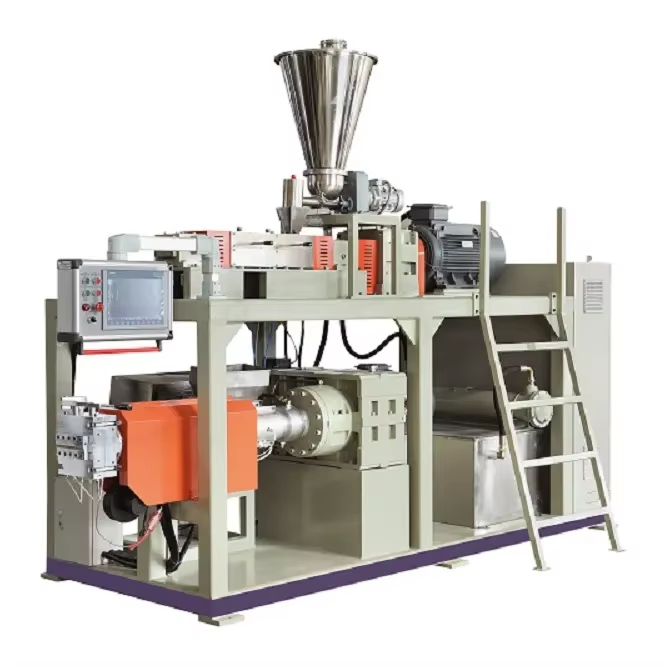
RPM, Temperature, Time, and Amperage: Interdependent Levers for Process Stability
Getting consistent results in rubber compounding really depends on keeping four main factors in sync: how fast the rotors spin (RPM), what temperature the batch stays at, how long we mix everything, and the motor's amperage reading. The RPM setting controls those shear forces that help spread out fillers throughout the mix. Faster speeds do get things mixed quicker, but they can also push temperatures too high and mess with the viscosity stability. We need to keep temperatures pretty tight, within about 5 degrees Celsius of our target range which is usually somewhere between 120 and 160 degrees. If it gets too hot, the rubber starts curing before we want it to. When the motor amperage jumps around more than 10 percent, that's usually a red flag for either uneven material loading or worn out rotors. Getting all these variables working together properly makes a big difference. Plants that manage this well see about a third fewer rejected batches because when these settings aren't right, the final product just doesn't hold up as well in terms of strength, how it flows through dies during extrusion, and maintaining consistent dimensions.
How Temperature Fluctuations Affect Dispersion Efficiency and Compound Viscosity
When temperatures go off track, they cause all sorts of quality issues down the line. If temps rise above ideal levels by around 15 degrees Celsius, carbon black just doesn't disperse properly anymore, dropping efficiency by nearly half. This creates clumps that weaken tear resistance in the finished product. On the flip side, when things get too cool below 100 degrees, the compound gets much thicker, sometimes doubling or even tripling in viscosity. This makes it harder for fillers to mix properly and causes problems with how materials flow into molds. The whole viscosity situation really affects how well processes work. Materials that are too thick push against extrusion equipment and wear it out faster. Meanwhile, runny batches tend to sag during curing, messing up the final shape and size. Smart factories keep their viscosity pretty stable between batches, usually within about plus or minus 7 percent. They achieve this through jacketed cooling systems paired with thermal sensors that monitor conditions in real time.
Next-Generation Rubber Mixer Technology: From Mechanical Reliability to Intelligent Control
Transition from Manual Banbury to Fully Automated, Sensor-Integrated Rubber Mixer Systems
The rubber mixing process has come a long way since the days of old school Banbury machines where workers had to constantly watch temperature gauges and RPM counters by hand. These days we see much more advanced systems with built-in sensors that monitor things like hydraulic pressure, electrical current usage, and how thick the material gets during mixing. All this information goes straight into those PLC boxes that control everything automatically these days. Take temperature control for example. When the system notices it's getting too hot or cold by even 2 degrees Celsius, it kicks in almost instantly to cool things down before anything gets damaged. This kind of smart response cuts down on rejected batches by around 22% while also speeding up production times significantly across most manufacturing facilities.
The automation revolution has definitely reached ingredient handling areas. Self calibrating scales now offer dosing accuracy within just 0.1% tolerance margins, something that used to be impossible manually. Meanwhile, those hydraulic stock blenders can mix ingredients 40% quicker than what humans could manage. What makes this really important is how it removes mistakes when adding carbon black, which was once a major problem area causing about one in six product failures according to industry data. Smart vibration sensors connected through IoT networks help predict equipment issues before they happen, reducing unexpected shutdowns by around 35%. The system also features integrated HMIs alongside cloud based analytics that track everything from mixing patterns to energy consumption levels and dispersion rates throughout each batch. This kind of detailed tracking transforms quality control from fixing problems after they occur into actually preventing them in the first place.
Dispersion Quality and Uniformity: The Defining Metrics of Rubber Mixer Performance
ASTM D5663 Testing and Its Predictive Value for Final Product Defect Rates
ASTM D5663 has become pretty much the gold standard when it comes to measuring how well carbon black disperses throughout rubber compounds. The method involves looking at cross sections under a microscope to see if the filler material is spread out evenly. When dispersion scores hit 90% or higher, we generally see much better performance from the final products. But watch out for anything below 85% because that often means trouble down the road with things like surface pinholes forming, weaker tensile strength overall, and components failing earlier than expected. Studies have shown that poor dispersion actually raises rejection rates somewhere around 15%, mostly because of problems during vulcanization and parts wearing out faster. Companies that adopt ASTM D5663 testing get real value from their data since they can turn those numbers into actual improvements in manufacturing processes. Scrap costs drop between 12 to 18 percent on average, and products tend to last longer too. While no single test can guarantee perfect results every time, the way ASTM D5663 predictions match what happens in real world conditions makes it a must-have tool for anyone serious about maintaining quality standards, especially where performance really matters.
Data-Driven Automation: Boosting Productivity with Smart Rubber Mixer Integration
The latest smart rubber mixers bring Industry 4.0 tech like artificial intelligence and internet connected devices right into the heart of compounding operations. These systems have real time sensors watching everything from temperature changes to motor current levels and other important factors. The result? Predictive maintenance that cuts unexpected shutdowns by around 45% at busy manufacturing sites. When it comes to batching materials, automated systems handle ingredient measurements, mixing duration, and viscosity tweaks through programmable logic controllers. This makes sure every production run stays consistent and removes those pesky human mistakes. Controlling rotor speed and managing power usage saves roughly 12% on energy costs too. Production records track how well ingredients disperse, measure output rates, and count defects, all helping manufacturers fine tune their processes over time. Plants that switch to these integrated solutions typically see about 30% better product consistency and cut down cycle times by 20%. For rubber processors wanting to stay ahead in today's market, investing in smart automation isn't just nice to have anymore it's becoming essential for staying competitive.
FAQ
Q: What are the key factors affecting rubber compounding?
A: The key factors include RPM, temperature, mixing time, and motor amperage.
Q: How does temperature affect rubber compounding?
A: Temperature fluctuations can affect dispersion efficiency and compound viscosity, causing quality issues in the final product.
Q: What advancements have been made in rubber mixer technology?
A: Modern rubber mixers feature fully automated, sensor-integrated systems for real-time monitoring and intelligent control.
Q: How important is rubber dispersion quality?
A: High dispersion quality ensures better final product performance, reducing defect rates and improving product longevity.
Q: How does automation boost productivity in rubber compounding?
A: Automation improves consistency, reduces human error, and provides predictive maintenance, leading to increased productivity and reduced costs.
Table of Contents
- Precision Control of Mixing Parameters for Repeatable Rubber Mixer
- Next-Generation Rubber Mixer Technology: From Mechanical Reliability to Intelligent Control
- Dispersion Quality and Uniformity: The Defining Metrics of Rubber Mixer Performance
- Data-Driven Automation: Boosting Productivity with Smart Rubber Mixer Integration