
 EN
EN
What Defines a True Heavy-Duty Rubber Mixer?
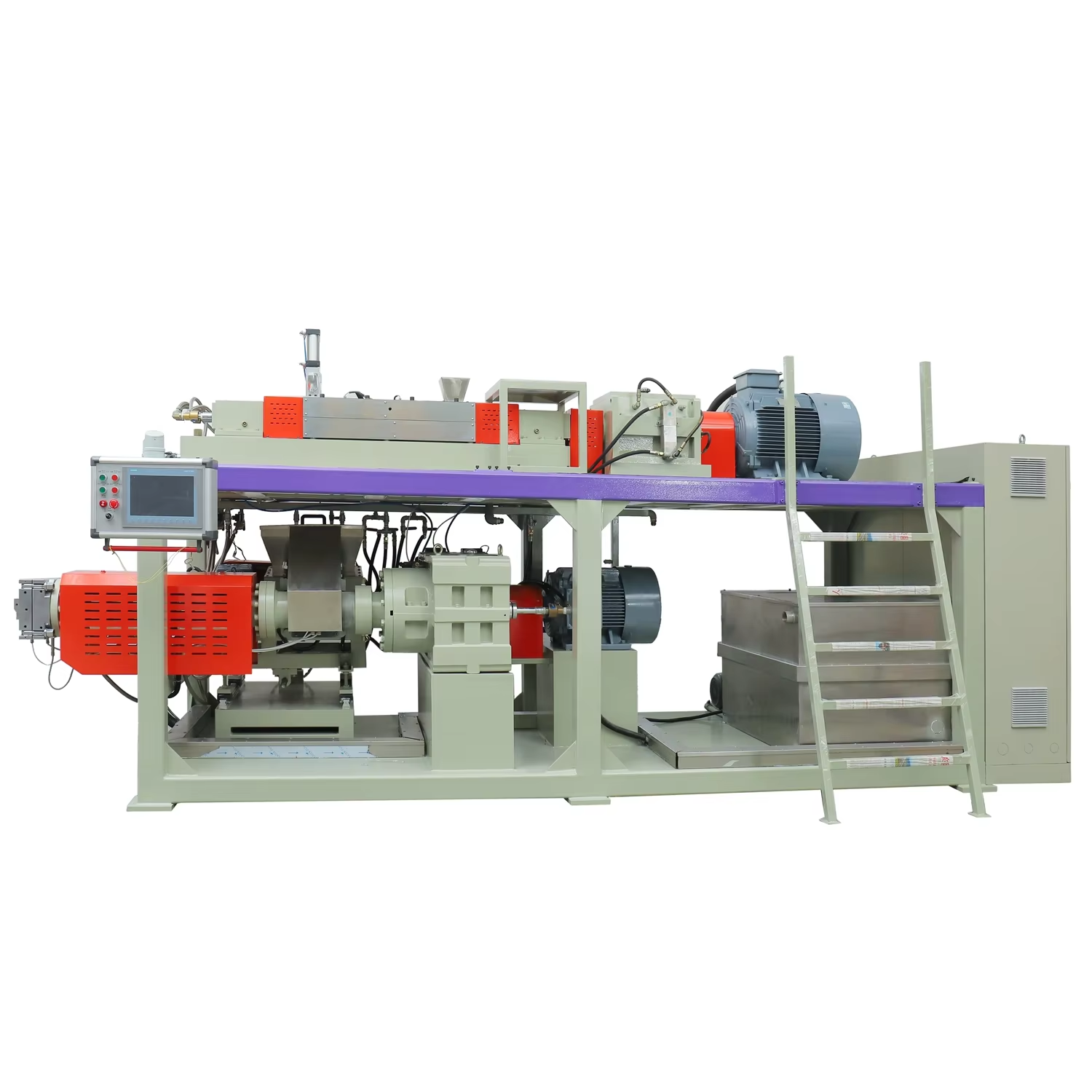
Structural integrity: Forged rotors, reinforced frames, and heat-resistant elastomer seals
Heavy duty rubber mixers built for serious industrial work need exceptional structural strength to handle what they're put through day after day. The rotors on these machines are actually forged instead of being cast, which means they can take about 40% more shear force before showing any signs of wear when subjected to those intense multi-ton pressures during compounding operations. Frame reinforcement comes from high strength steel alloys arranged as cross members that spread out the load properly across both the base and supporting structures of the machine. For sealing points where things get really hot, manufacturers install special elastomers tested at temperatures above 200 degrees Celsius. These keep compounds from leaking out during long production runs something standard seals simply cannot manage without breaking down over time.
Torque density and thermal management: Why standard mixers fail under sustained high-viscosity loads
Regular mixers just can't handle those really thick substances such as tire tread rubber because they don't have enough power packed into them and get too hot during operation. Real industrial strength models though? They pack over 15 Newton meters per kilogram of torque thanks to their special cooling system around the motor housing. This lets them work with super tough materials reaching Shore A hardness ratings above 90 without breaking down the material's consistency. What makes these machines stand out is how they keep temperatures consistent throughout the entire batch. Their advanced temperature management keeps things steady within about 3 degrees Celsius difference across the whole mixture. Most standard equipment sees temperature swings of around 20 degrees instead, and this variation messes with the chemical bonds forming in the material, ultimately affecting the quality of the final product.
Continuous Mixing Performance: Throughput, Consistency, and Real-Time Control
How continuous rubber mixing eliminates batch variability while boosting hourly output
Rubber mixing that runs continuously gets rid of those annoying stop-start problems that come with batch systems. When batches cool down between cycles, need to re-pressurize everything, and get the rotor going again, it creates all sorts of issues with density and how materials spread out. Continuous mixers work at a constant pace though, which cuts down on compound variability by around 75% when compared to traditional batch methods according to some research from Ponemon back in 2023. The feeding and discharge systems are timed just right so materials keep flowing without interruption. This setup actually doubles what can be produced each hour while still maintaining good quality standards, and best of all, there's no need for extra room on the factory floor to make it happen.
Precision parameter control (RPM, temperature, amperage, residence time) for repeatable compound quality
When monitoring rotor RPM, temperature zones, motor current draw, and material dwell time in real time, manufacturers achieve around 1.5% consistency between batches of compound materials. Advanced sensors spot issues with how fillers spread throughout the mix within just under half a second, which allows the system to adjust torque levels immediately so cross-linking stays uniform throughout processing. The quick response helps avoid scorch marks that can ruin delicate high silica compounds. Maintaining steady Mooney viscosity is crucial for making aerospace quality elastomers. If temperatures drift even 5 degrees Celsius outside acceptable ranges during production, entire batches get rejected automatically by quality control systems.
Reliability Engineering: Design Choices That Maximize Uptime in High-Volume Rubber Production
Predictive maintenance integration and failure-mode analysis in industrial rubber mixer design
Getting reliable results from large scale rubber manufacturing isn't just about throwing in tough parts. Real industrial strength mixers come equipped with smart monitoring systems that track things like rotor vibrations, temperature changes at seals, and motor current patterns as they happen. These systems catch early signs of problems long before they cause unexpected shutdowns, cutting down on these interruptions by around 45% according to Plant Engineering in 2023. Alongside this, manufacturers perform detailed failure mode analyses when designing equipment. They reinforce frames to handle sudden torque spikes, shape coolant channels for better material flow control, and use bearings that don't need constant lubrication since they resist swelling from rubber compounds and temperature fluctuations. After putting all this through accelerated stress tests, we see equipment lasting about 30% longer while maintaining nearly perfect production rates across thousands of operations. This means consistent quality compounds batch after batch without breaking stride.
Selecting the Right Heavy-Duty Rubber Mixer: Key Technical Alignment Criteria
Matching mixer specifications—fill factor, cooling capacity, and feed rate—to your compound profile
Choosing the correct heavy duty rubber mixer really depends on how well it matches the unique properties of the compound being processed rather than just looking at general performance specs. The fill factor is something that needs careful adjustment. When working with high viscosity materials, going over 65-70% fill can cause problems like rotor overload or dangerous heat buildup. On the flip side, filling below 50% means the mixer won't generate enough shear force to properly mix everything together. Cooling system capacity matters too because different formulations release varying amounts of heat during mixing. For instance, carbon black loaded compounds need about 30% more cooling power compared to silicone based elastomers if we want to prevent premature curing or scorching issues. Feed rates also play a role since some materials cure faster than others. Fast curing EPDM requires ingredients to be added slowly in stages, whereas natural rubber gives operators a wider margin for error in timing. According to industry reports, when equipment specs don't match what's needed for specific compounds, around 42% of unexpected production stoppages happen in compounding plants. Getting these details right leads to better mixing results, saves energy costs, and keeps operations running smoothly based on what actually works for each particular material.
FAQ Section
What makes a rubber mixer "heavy-duty"?
A heavy-duty rubber mixer is characterized by its structural integrity, with features like forged rotors, reinforced frames, and heat-resistant elastomer seals, allowing it to handle high shear forces and intense pressures.
Why is thermal management important in rubber mixers?
Thermal management ensures that temperatures remain consistent throughout the mixing process, preventing material inconsistencies and maintaining the quality of the final product.
How does continuous mixing improve rubber mixing processes?
Continuous mixing eliminates batch variability, boosts hourly output, and maintains consistent quality by avoiding the stop-start issues of batch systems.
What role does predictive maintenance play in rubber mixers?
Predictive maintenance helps prevent unexpected shutdowns by monitoring signs of wear and potential issues, improving uptime and equipment longevity.
What should be considered when selecting a heavy-duty rubber mixer?
The mixer should match the specific compound properties, such as fill factor, cooling capacity, and feed rate, to optimize performance and prevent production stoppages.
Table of Contents
- What Defines a True Heavy-Duty Rubber Mixer?
- Continuous Mixing Performance: Throughput, Consistency, and Real-Time Control
- Reliability Engineering: Design Choices That Maximize Uptime in High-Volume Rubber Production
- Selecting the Right Heavy-Duty Rubber Mixer: Key Technical Alignment Criteria
- FAQ Section