
 EN
EN
Smart Rubber Mixer Design for Effortless Cleaning
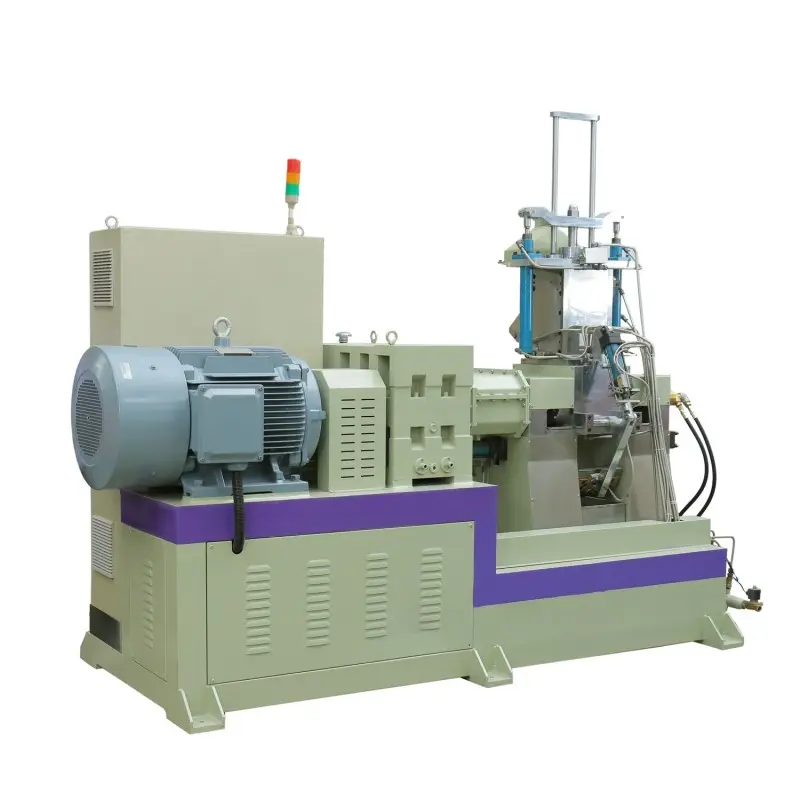
Seamless Chamber Geometry and Non-Stick Surface Integration
The latest rubber mixer tech really focuses on keeping things clean thanks to better designed chambers inside. These machines have smooth inner walls that get rid of those pesky little gaps where old material tends to stick around, which cuts down on cleaning work by about a third when compared to older versions. They also use special non-stick coatings like PTFE polymers that make surfaces repel water, so rubber doesn't cling to them while mixing happens. This means less leftover stuff stuck to the sides after each batch. When paired with rounded edges and nicely finished welds between parts, all these improvements let operators clean the equipment thoroughly in just under eight minutes based on what industry tests show. Some plants report even faster times depending on their specific setup and maintenance routines.
Modular Quick-Release Components for Tool-Free Access
Getting rid of tools for disassembly really speeds things up during maintenance thanks to those special quick release parts they've patented. Most operators find they can take out mixing blades, seals, and those discharge chutes in less than 90 seconds when using those lever activated clamps. What makes this system stand out is how it lets workers clean just the worn out parts without having to tear down the whole machine. According to some tests from last year's CFine Report, this approach cuts down on daily cleaning time by around 42% compared to regular rubber mixers. Plus, since all these parts are interchangeable, companies don't need to stock so many different replacement items. That saves money on inventory and keeps production running longer between breakdowns.
Low-Maintenance Rubber Mixer Construction and Durability
Corrosion-Resistant Alloy Housing and Predictive Wear Mapping
Minimal maintenance starts with better materials and smart monitoring tech. The equipment uses special alloys that resist corrosion as part of its main structure. These alloys protect what's inside from harsh chemicals and gritty substances when mixing rubber. Equipment built this way lasts about 40% longer than regular steel models. Alongside these tough materials comes something called predictive wear mapping. It works through tiny sensors embedded throughout the machine that keep tabs on how different parts are wearing down. The system looks at things like changes in temperature, vibrations, and torque levels to figure out when maintenance might be needed before anything actually breaks down. When it does flag potential issues, technicians can address them during scheduled maintenance periods instead of waiting for emergencies. This approach cuts down on unexpected repairs by around 30% and helps companies manage their spare parts stock much more efficiently.
Verified Operational Benefits: Downtime Reduction and Reliability
Field Data: 42% Reduction in Downtime vs. Conventional Rubber Mixers (2023 CFine Report)
Field validation confirms modern rubber mixer designs deliver significant operational advantages. The 2023 CFine Report documented a 42% reduction in unplanned downtime compared to conventional models—driven by integrated predictive maintenance systems that detect bearing wear and material buildup before failures occur. Production teams gain weeks of annual runtime through:
- Early intervention during scheduled maintenance windows
- Elimination of reactive repairs that halt workflows
- 30% longer component lifespans through optimized stress distribution
This reliability delivers measurable cost benefits: for every hour of avoided downtime, facilities save approximately $740k in lost productivity (Ponemon Institute, 2023). Operators report 25% lower annual maintenance expenditures by eliminating unnecessary part replacements. Continuous operation also ensures consistent compound quality by maintaining optimal temperature and viscosity parameters.
Total Cost of Ownership Advantage of Low-Maintenance Rubber Mixers
Rubber mixers that require little maintenance end up saving money over time because they cut down on day-to-day running costs. These machines often feature materials that resist corrosion, surfaces that don't stick, plus parts that can be replaced individually. All these features together mean technicians have to work on them about 40 percent less often than regular systems, which obviously saves both money spent on labor and replacement parts. According to industry reports from last year, plants using these mixers saw their downtime drop by around 42% annually, which means more products get made each month. The way these machines are built also helps save electricity, cutting power needs somewhere between 15 and 20%. Plus, since they're built tough, most last 3 to maybe even 5 extra years before needing replacement. Looking at things over five years, companies find that advanced rubber mixers usually cost about 30% less overall when factoring in all expenses compared to cheaper models, even though they might pay more upfront. This makes sense for businesses wanting to keep their budgets balanced without sacrificing quality.
FAQ
What are the main cleaning benefits of modern rubber mixers?
Modern rubber mixers feature seamless chambers and non-stick surfaces that reduce cleaning tasks significantly, allowing operators to clean the equipment faster and more efficiently.
How do modular quick-release components aid in maintenance?
Modular quick-release components enable tool-free disassembly, speeding up maintenance and allowing operators to clean just the necessary parts without dismantling the entire machine.
What materials are used in low-maintenance rubber mixers?
Low-maintenance rubber mixers use corrosion-resistant alloys that enhance durability and reduce the need for frequent maintenance, ensuring longer-lasting equipment.
How do predictive maintenance systems enhance rubber mixer reliability?
Predictive maintenance systems monitor wear and tear with sensors, allowing technicians to address potential issues before they evolve into breakdowns, thus reducing downtime.