
 EN
EN
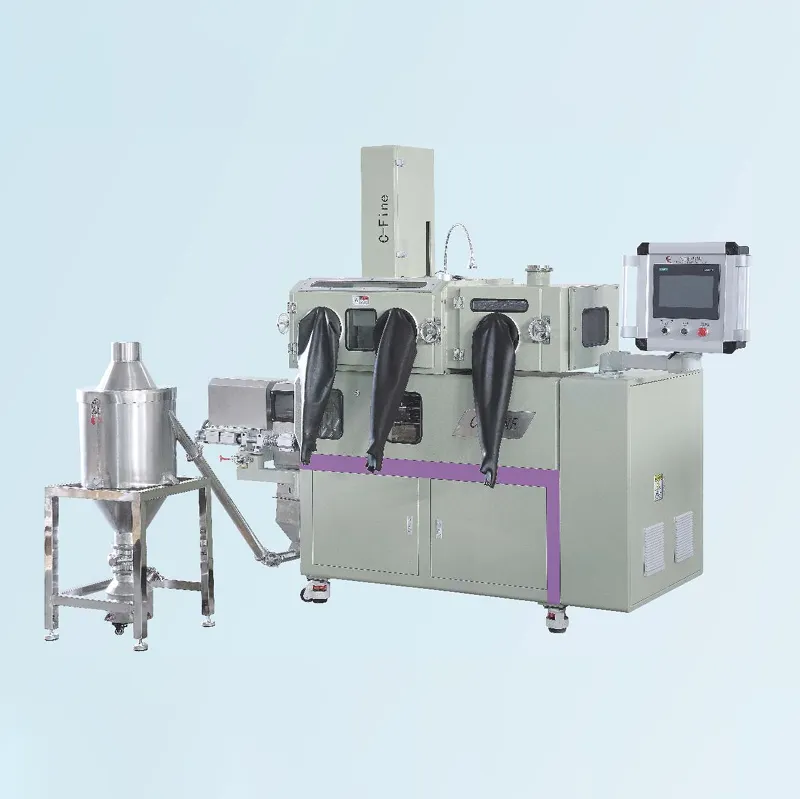
Understanding the Role of Mixing Mill in Rubber Compound Development
Rubber compound development begins with the mixing mill, a cornerstone of modern rubber processing that transforms raw materials into homogeneous compounds through controlled mechanical energy.
The rubber mixing process and its critical stages
When working with rubber stock during the mixing process, there are basically three main steps involved. First comes the initial feeding where raw materials like polymers, fillers, and various additives get introduced into the system. The material then moves through high shear blending as it passes between two large steel rollers rotating in opposite directions. These rollers operate at controlled temperatures usually around 40 to 70 degrees Celsius. What happens next is pretty interesting - the intense pressure creates shear forces over 1.2 MPa which actually breaks down those long polymer chains while making sure everything mixes thoroughly. Industry data shows that most problems with rubber compounds come from getting the temperature wrong during this whole process. A recent report from 2024 indicated about 8 out of 10 defects traced back to temperature issues alone.
How mixing mills enable effective rubber compound formulation
Modern mixing mills achieve consistency through adjustable roller speeds (with a 5:4 friction ratio as industry standard) and programmable pressure profiles. As highlighted in industry-standard rubber processing guides, optimized roller surfaces reduce compound sticking by 37% compared to traditional designs. Advanced models now incorporate real-time viscosity monitoring systems, maintaining ±2% batch consistency.
Integration of mixing mills within rubber processing equipment lines
The mixing mill is typically where things start in most production lines, right before materials head off to extruders or calendaring systems. Top notch operations these days have gotten pretty good at matching what comes out of the mill with what goes into the next stages thanks to those smart controllers connected through the internet of things stuff. We're talking about anywhere from 15 to maybe even 20 percent better overall efficiency when everything works smoothly together. Most people who run these plants will tell anyone who asks that how well different parts of the system talk to each other makes all the difference in the world for important numbers like tensile strength readings and how much material compresses under pressure during testing.
Optimizing Key Mixing Parameters for Improved Efficiency and Durability
Getting good results in rubber mixing depends on controlling three main factors that all affect each other: how full the mixing chamber is (called the fill factor), the pressure applied by the ram, and how many times the materials come into contact during processing. Studies indicate keeping the chamber filled around 65 to 75 percent works best for consistent batches without wasting energy when it's either too empty or packed too tight. When operators apply about 15 to 20 bars of pressure, they typically see better distribution of fillers within the mix, somewhere between an 18 to 22 percent improvement. But watch out—if the pressure gets too high without matching it to the right rotor shape, equipment starts wearing down faster than normal. Most experienced technicians know this balance takes time to master through trial and error on the factory floor.
Fill factor, ram pressure, and contact cycles: Core parameters for optimization
The sweet spot for efficiency happens when the amount of material matches what the machinery can handle comfortably. Take filling levels as an example. When we get about 70% full instead of cramming everything in, power usage drops roughly 12%. And guess what? The mixture stays pretty consistent too, maintaining around 95% uniformity which isn't bad at all. Now regarding ram pressure settings, this really depends on how runny or thick the raw materials are. For those tough high carbon black compounds, pushing harder with pressures between 20 and 25 bars works better. But watch out! Standard mixes don't take kindly to such aggressive treatment since it tends to wear down seals faster than most operators expect during regular maintenance cycles.
Ram pressure and its impact on compound homogeneity
Excessive ram pressure causes localized heat spikes (>160°C), accelerating polymer degradation by 8–10% per 5°C overshoot. Conversely, insufficient pressure (<10 bar) leads to uneven silica dispersion, reducing tensile strength by 15–20%. Modern mills integrate real-time pressure sensors to dynamically adjust forces throughout the mixing cycle.
Rotor speed effects on mixing efficiency and energy consumption
Rotor speeds above 55 RPM shorten cycle times by 18–25% but increase energy use by 30–40 kWh/ton. Speeds below 40 RPM enhance temperature control but extend mixing durations by up to 50%. A 2023 Process Optimization Guide notes that variable-speed drives paired with predictive torque monitoring can reduce total energy consumption by 22%.
Balancing speed, pressure, and fill factor for optimal performance
Leading manufacturers use DOE (Design of Experiments) methods to identify optimal parameter combinations. A configuration of 65% fill factor, 18-bar pressure, and 50 RPM rotor speed reduces cycle energy by 19% while meeting ISO 2393-compliant dispersion standards. This balanced approach also extends equipment life by minimizing peak mechanical stress.
Maximizing Dispersion Quality and Compound Uniformity in Rubber Mixing
Achieving superior filler incorporation with optimized mixing mill operation
Effective compounding requires precise shear control to uniformly disperse fillers like carbon black. Modern mills optimize rotor geometry and cooling systems to ensure even integration of fillers with rubber polymers. Adjusting the nip gap between rollers by 0.2–0.5 mm increases shear rates by 15–30%, enhancing filler distribution and reducing air entrapment.
Influence of raw material properties on mixing performance
Raw rubber viscosity significantly affects mixing efficiency. High-Mooney virgin rubbers require 18–25% longer mixing cycles than reclaimed materials to reach target dispersion. Temperature-sensitive additives such as sulfur must be introduced in stages, with temperatures kept below 110°C to prevent premature vulcanization.
Evaluating post-mixing compound uniformity and quality
Quality assurance combines infrared spectroscopy for chemical homogeneity and rheometer testing for viscosity consistency. Mills equipped with automated parameter adjustments reduce batch-to-batch viscosity variation by 42% compared to manual systems. Finished batches should exhibit â¤5% deviation in Shore hardness across multiple test points.
Trade-offs between high shear mixing and polymer degradation
Shear rates above 1,500 s⺠improve silica dispersion by 60% but raise compound temperatures by 25–40°C, increasing the risk of polymer chain scission. Advanced mills mitigate this with dual cooling channels that maintain barrel temperatures at 65±5°C, balancing dispersion quality with material integrity.
Reducing Energy Consumption and Cycle Time in Mixing Mill Operations
Measuring Energy Use and Cycle Duration in Rubber Mixing Processes
Energy monitoring systems that work in real time keep tabs on important numbers like kilowatt hours per kilogram and how much cycle times fluctuate. According to research published last year by the Rubber Manufacturing Institute, nearly two thirds of all wasted energy happens when machines start up or go through changes in material viscosity. This highlights why having control systems that can adapt is so important these days. There are several factors at play here too. Rotor speeds typically range between forty and sixty revolutions per minute, while most batches run at around sixty five to eighty five percent capacity. How materials get fed into the system matters as well. These variables affect energy consumption quite a bit actually, sometimes varying by as much as eighteen percent for power usage and twenty two percent for how long each cycle takes overall.
Strategies to Lower Operational Costs Through Process Refinement
Using variable frequency drives cuts down on wasted energy when machines are just sitting there, saving about 30% compared to traditional methods while still keeping enough power for those crucial dispersion steps. When plants start organizing their batches better so they spend less time stopping and starting between different products, energy bills drop significantly. One factory saw around $90k saved last year after making these kinds of changes. Tweaking things like ram pressure which should be somewhere between 12 and 15 bars, adjusting temperatures that need to stay around 110 to maybe 125 degrees Celsius, and getting the mixing stages right can speed up production cycles by roughly 15%. Best part is this doesn't compromise the quality of dispersion we get in those tricky carbon black compound mixtures either.
Advancements in Mixing Mill Design and Maintenance for Long-Term Performance
Common wear mechanisms in mixing equipment and their impact on output
Abrasive fillers and thermal cycling account for 78% of mechanical wear in mixing mills. Rotor blade erosion and chamber lining degradation contribute to 22–35% of output variability in compounding operations, with poorly maintained units consuming 18% more energy per batch (Plastics Machinery Report 2023).
Best practices for maintaining mixing mill durability and efficiency
Predictive lubrication schedules reduce bearing failures by 40% in continuous operations. Monthly rotor alignment checks and controlled cooling protocols extend service intervals by 6–8 months. Automated wear monitoring systems decrease unscheduled downtime by 55%.
High-performance settings vs. equipment longevity: Navigating the industry paradox
Operators face a 15–25% efficiency penalty when prioritizing equipment preservation over maximum throughput. Torque-limiting systems now allow 92% of peak productivity while keeping stress within safe limits for critical components.
Innovations in mixing mill technology and smart monitoring systems
Next-generation mills feature self-adjusting rotor clearances that maintain optimal shear forces as parts wear. Integrated IoT sensors enable real-time viscosity tracking, cutting rejection rates by 33% through immediate process corrections. These innovations complement traditional maintenance, forming hybrid models that enhance both product quality and asset lifespan.
FAQ Section
What is the primary function of a mixing mill in rubber processing?
The mixing mill is crucial for transforming raw materials into homogeneous rubber compounds through controlled mechanical energy, ensuring thorough mixing and consistency of the rubber stock.
Why is temperature control important during the rubber mixing process?
Temperature control during mixing is vital as it affects the outcome of the rubber compound. Incorrect temperatures can lead to defects, as evidenced by reports indicating that 8 out of 10 defects are temperature-related.
How do modern mixing mills improve compound formulation consistency?
Modern mixing mills enhance consistency by using adjustable roller speeds and pressure profiles, reducing compound sticking and incorporating real-time viscosity monitoring systems for maintaining batch consistency.
What are the key parameters for optimizing rubber mixing?
The most critical parameters are the fill factor, ram pressure, and contact cycles. These factors, when optimized, improve efficiency, consistency, and equipment longevity.
How do mixing mills contribute to energy consumption and cycle time reduction?
Mixing mills can lower energy consumption and cycle time through adaptive energy monitoring systems, variable frequency drives, and optimized batch processing, resulting in significant cost savings and efficiency improvements.
Table of Contents
- Understanding the Role of Mixing Mill in Rubber Compound Development
- Optimizing Key Mixing Parameters for Improved Efficiency and Durability
- Maximizing Dispersion Quality and Compound Uniformity in Rubber Mixing
- Reducing Energy Consumption and Cycle Time in Mixing Mill Operations
- Advancements in Mixing Mill Design and Maintenance for Long-Term Performance
-
FAQ Section
- What is the primary function of a mixing mill in rubber processing?
- Why is temperature control important during the rubber mixing process?
- How do modern mixing mills improve compound formulation consistency?
- What are the key parameters for optimizing rubber mixing?
- How do mixing mills contribute to energy consumption and cycle time reduction?